U.S. World Cup Ambitions Face Setback as Border Policies Divert Tourists and Revenue to Neighbors…soju
U.S. World Cup Ambitions Face Setback as Border Policies Divert Tourists and Revenue to Neighbors
As the 2026 World Cup unfolds across North America, the United States leg of the tournament is generating more controversy than economic windfall for many host cities.
Organizers and officials had projected a historic boost: nearly 200,000 new jobs and a surge in international tourism spending that would invigorate local economies. Instead, early indicators point to uneven results, with American hospitality sectors struggling while Canadian and Mexican venues capture significant overflow business.
The challenges trace in part to the stringent security and immigration measures that have defined recent U.S. border policy. What was designed to enhance national security has, in the eyes of critics, created friction that discourages longer stays by international visitors.
Travelers from dozens of countries face rigorous visa processes, enhanced screenings and concerns over potential disruptions at ports of entry. Industry executives say many fans are opting for minimal time on U.S. soil.
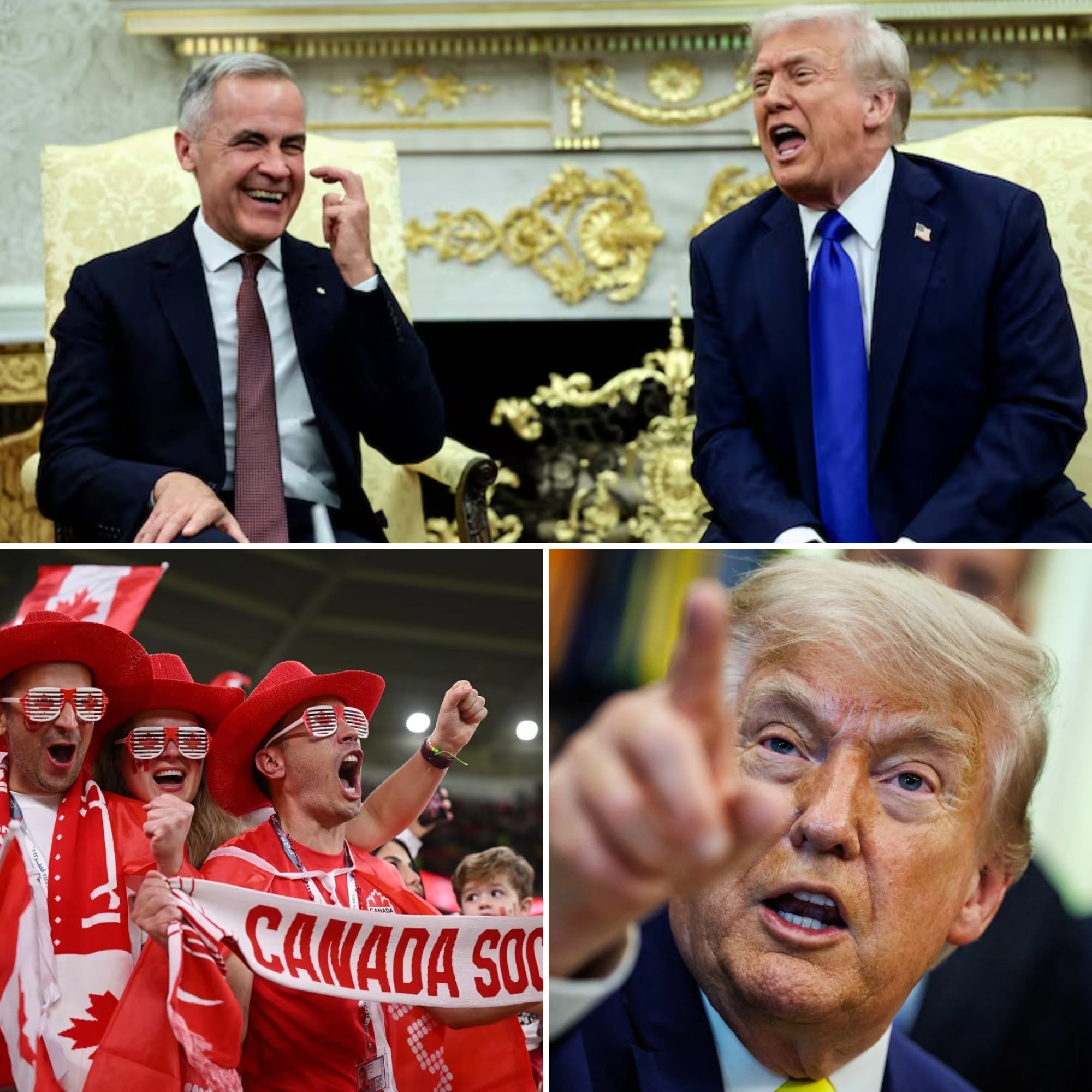
In several cases, visitors are basing themselves in neighboring countries. Canadian cities like Vancouver and Toronto, along with Mexican hubs such as Monterrey and Mexico City, have reported strong hotel occupancy and tourism revenue tied to the tournament.
One striking example involves the Iranian national team. Rather than establishing its base camp in the United States, the squad opted for facilities in Tijuana, Mexico, just across the border from San Diego. The decision has drawn attention as a symbolic illustration of how logistical and political hurdles can redirect economic activity.
A base camp for a national team typically generates substantial local spending on accommodations, catering, transportation and support services. Its relocation represents millions of dollars that might otherwise have flowed into a U.S. community.
Hospitality data from U.S. host cities tells a story of muted demand. According to preliminary figures from the American Hotel and Lodging Association, many properties are seeing booking rates well below initial forecasts. Cancellation rates in some locations have exceeded expectations, with visa and security concerns cited frequently by respondents.
Hotel operators initially anticipated massive crowds and raised rates sharply in response to FIFA’s room blocks. When a large portion of those blocks were released back into the market, prices adjusted downward rapidly, leaving overstaffed properties with thin occupancy outside of match days.
This pattern has produced what some analysts describe as “micro peaks” — brief surges around games followed by sharp drop-offs. Visitors often cross the border for matches and return promptly to Canada or Mexico, minimizing spending on U.S. hotels, restaurants and retail.
The result is a phenomenon observers call labor dilution. While national jobs reports have shown gains in leisure and hospitality employment, many workers report reduced hours as businesses grapple with lower-than-expected revenue. Bartenders, servers and housekeeping staff who anticipated sustained overtime have seen shifts curtailed.
“People budgeted their summer around the tournament,” said Maria Gonzalez, a restaurant manager in a Philadelphia host city area. “Now the crowds just aren’t materializing the way we were told.”
Canadian officials, by contrast, have celebrated a notable surge in hospitality employment. Recent data showed approximately 88,000 new jobs in the sector, partly attributed to World Cup-related travel.
Mexican border regions are also experiencing heightened activity. Venues near crossing points report full capacity as day-trippers and longer-stay fans choose more accessible bases.
The White House and FIFA had promoted the tournament as a major economic catalyst for the 11 U.S. host cities. Those projections assumed frictionless global travel and robust international participation. Reality has proven more complicated amid geopolitical tensions and domestic policy priorities.
Critics argue the “Fortress America” approach, while addressing legitimate security concerns, has inadvertently sanctioned the U.S. service sector. International tourists, who tend to spend significantly more than domestic visitors, appear deterred by the combination of high costs, visa barriers and perceived hassle.
Secondary ticket markets reflect the broader dynamics. Prices for later-stage matches have climbed into the thousands of dollars, pricing out many fans and further distorting local economic benefits.
Not all effects are negative. U.S. cities still benefit from match-day traffic, infrastructure usage and domestic attendance. Organizers emphasize that the full tournament picture will take time to assess, with some later rounds potentially drawing stronger crowds.
Yet the early narrative is one of disappointment for many in the hospitality industry. Municipalities bear costs for policing, sanitation and traffic management without corresponding overnight revenue.
The situation highlights the complexities of hosting a global event in an era of heightened border vigilance. What works for security can complicate economic diplomacy and soft power projection.
For American workers in service industries, the gap between promised windfalls and on-the-ground experience has bred frustration. Many feel caught between policy decisions made far from host cities and corporate forecasts that failed to account for human behavior.
As the tournament continues, officials on all sides of the border are monitoring the flow of fans and capital. The North American co-hosting arrangement was meant to showcase regional cooperation. Instead, it has exposed the uneven distribution of its rewards.
Whether adjustments can still salvage broader economic gains remains uncertain. For now, the 2026 World Cup stands as a case study in how security priorities, pricing strategies and global perceptions can reshape the expected legacy of a major sporting event.