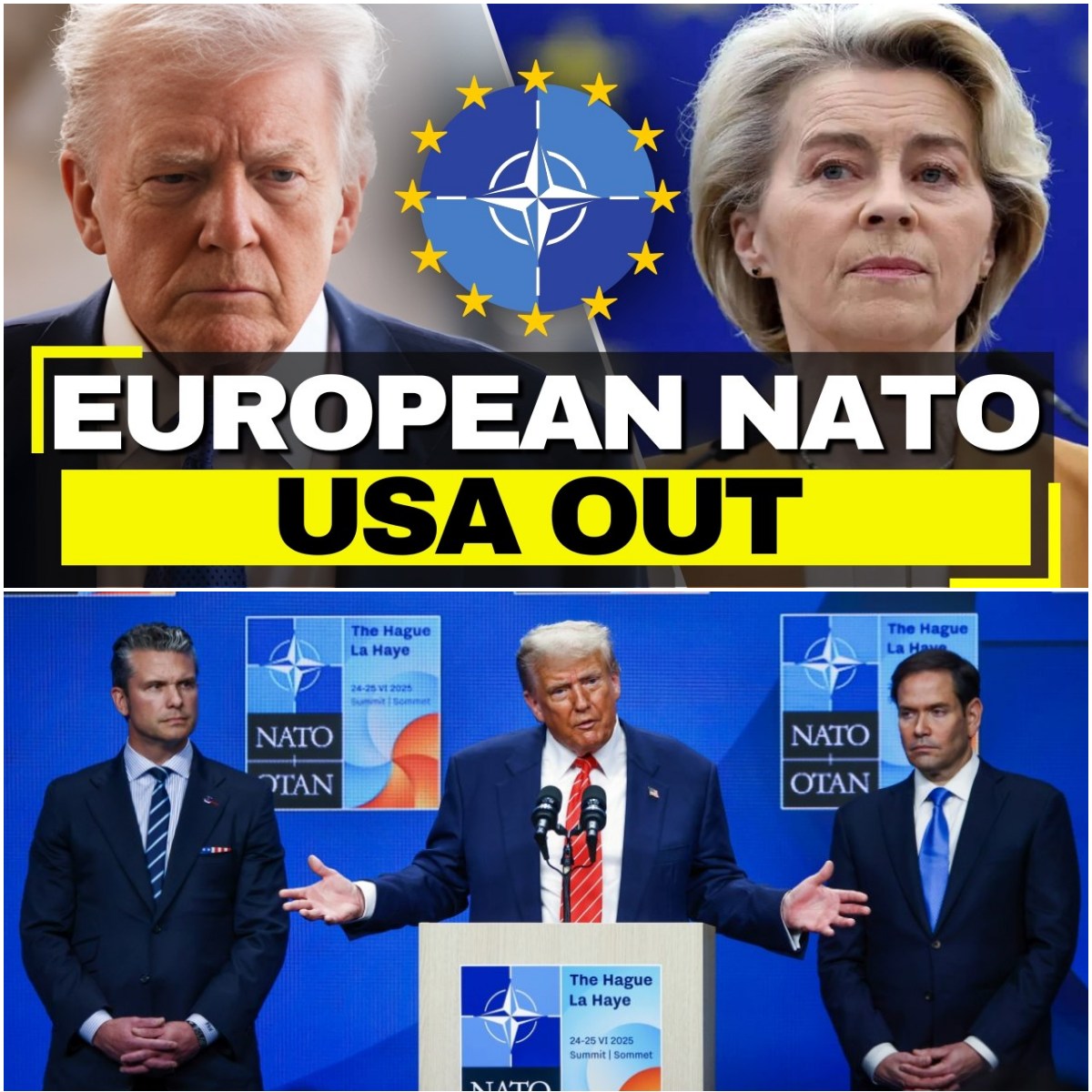
Europe Quietly Builds a Defense Future Less Dependent on America
The conversations are still informal, the language still careful, but the direction is becoming harder to ignore. Across closed-door meetings on the margins of NATO gatherings, European officials are sketching out what amounts to a contingency plan: how to sustain the alliance without the United States at its center.
According to recent reporting by The Wall Street Journal, these discussions are no longer theoretical. They are rooted in a practical concern—how Europe would maintain deterrence against Russia and preserve operational continuity if American participation were reduced or withheld. The premise alone marks a profound shift in transatlantic thinking.
For decades, NATO has functioned as a U.S.-anchored security system. American leadership has shaped its command structure, underwritten its deterrence posture, and provided the bulk of its intelligence and logistical backbone. Europe’s role, while substantial, has largely complemented that foundation rather than replaced it.
What is now emerging is something more ambitious: a European-led framework within NATO that could operate with significantly less reliance on Washington. Officials describe it as reinforcement. But reinforcement designed for absence begins to resemble preparation for independence.
Germany’s evolving position has been central to this transformation. Long cautious about initiatives that might dilute NATO cohesion or alienate the United States, Berlin is now signaling openness to a more autonomous European defense posture. This shift carries weight. As Europe’s largest economy, Germany’s strategic preferences often define the continent’s limits of action.

Such figures are not incremental adjustments. For many countries, they represent a doubling or even tripling of current defense budgets. Southern European economies in particular face steep increases, raising questions about fiscal sustainability even as political momentum pushes forward.
The industrial dimension is moving in parallel. European Union initiatives increasingly emphasize “buy European” provisions, channeling defense spending toward domestic manufacturers. Programs like the European Defense Industry Program and large-scale loan packages tied to procurement requirements are designed to expand production capacity within Europe itself.
This has not gone unnoticed in Washington. The U.S. Department of Defense has warned against policies that could exclude American firms from European contracts, signaling the possibility of reciprocal trade measures. Behind the scenes, U.S. officials have expressed frustration that allies appear to be prioritizing industrial independence over transatlantic integration.
Yet European policymakers seem prepared to absorb that friction. The logic is not overtly confrontational. It is rooted instead in risk management. Concerns about the reliability of American commitments—intensified by recent political tensions—have prompted a reassessment of long-standing assumptions.
Operationally, the implications are significant. NATO’s command hierarchy has traditionally depended on American officers in key roles. Replacing that structure would require not only political agreement but also the development of new capabilities in intelligence, surveillance, logistics, and strategic coordination.
Those gaps are substantial, but they are increasingly viewed as solvable. European governments are expanding weapons production, investing in joint procurement, and exploring new command arrangements. The unanswered questions—who leads, who coordinates, who decides—are now matters of implementation rather than direction.
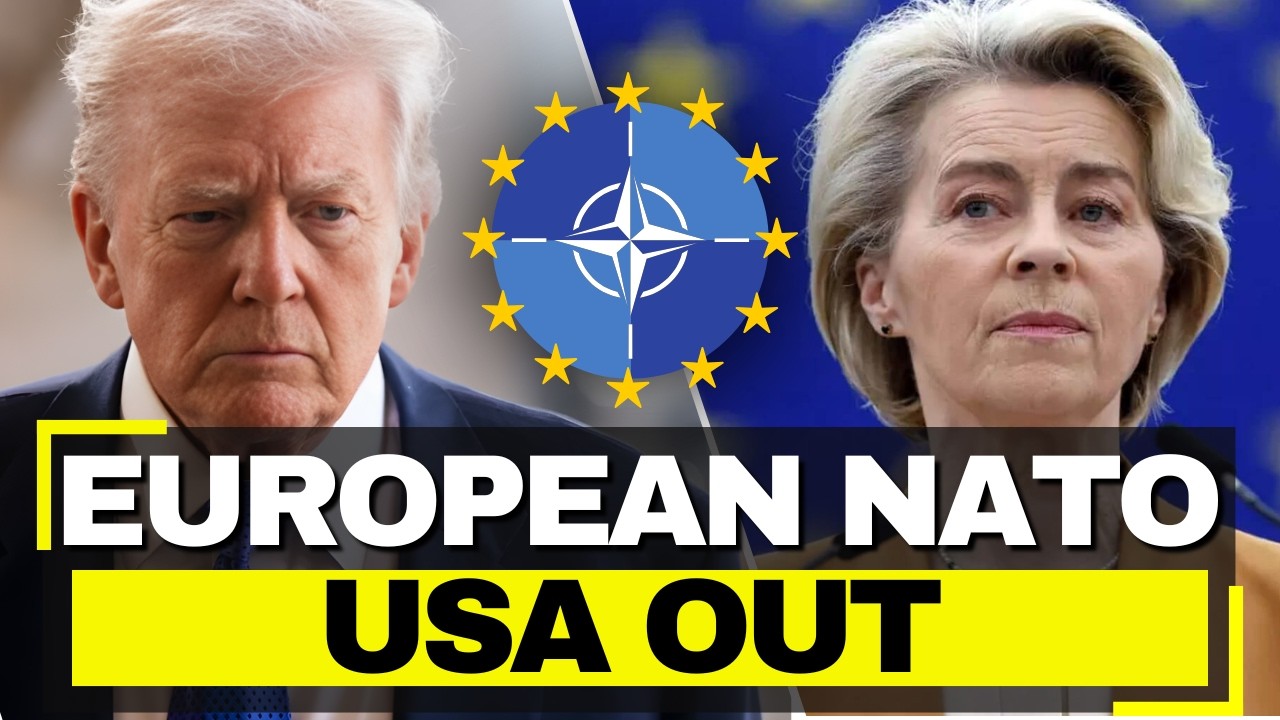
For Europe, the potential outcome is greater strategic sovereignty. A defense system less dependent on the United States would allow European governments to act with more autonomy, particularly in crises where transatlantic priorities diverge. It would also reshape the balance of influence within NATO itself.
For the United States, the consequences are more ambiguous. A more capable Europe could strengthen the alliance in some respects, reducing the burden on American resources. But it could also diminish Washington’s leverage, especially if European systems evolve in ways that operate independently of U.S. leadership.
What is clear is that the shift is already underway. The funding mechanisms are being established, the industrial policies are being implemented, and the political groundwork is being laid. Whether described as adaptation or transformation, the trajectory points toward a Europe preparing for a future in which American support is no longer guaranteed.
In that sense, the emerging “European NATO” is less a break than an insurance policy—one built on the assumption that uncertainty, not stability, will define the next chapter of transatlantic relations.