
The measure, pushed by Sen. Bernie Moreno, prevents senators and their aides from placing bets on platforms such as Polymarket and Kalshi. These platforms allow users to wager on real-world events, including elections, geopolitical developments, and other high-impact outcomes.
Moreno said the effort aims to eliminate potential conflicts of interest and restore public trust in Congress. “I don’t believe we should trade stocks at all. It’s completely insane,” Moreno said. “I think we should focus on our jobs and have our voters go, ‘Hey, this guy’s voting this way, because this is the right thing for the state,’” he said.
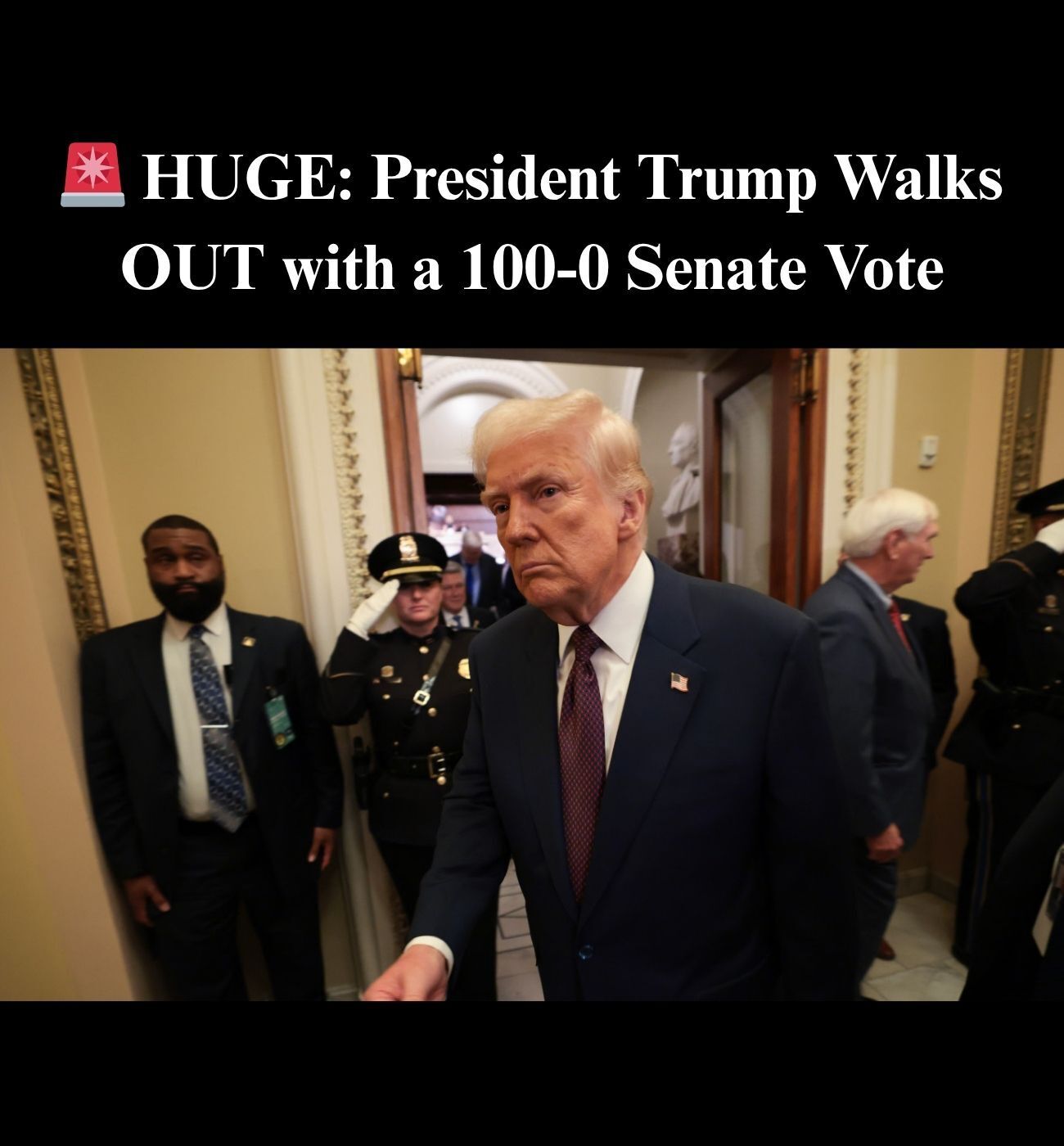
The rule change passed unanimously and immediately amended Senate ethics rules, requiring no action from the House or the president. It applies specifically to senators and Senate staff.
Senate Minority Leader Chuck Schumer praised the move on the Senate floor and urged the House to adopt a similar standard. “Speaker Johnson should immediately do the same thing in the House,” Schumer said.
There is already an effort underway in the House to mirror the Senate’s action. Rep. Ashley Hinson is leading a push for comparable legislation, as part of a broader conversation about ethics and financial activity by lawmakers.
The move comes as Congress has struggled to reach consensus on other reforms, including proposals to ban stock trading by members while in office. Advocates of the new rule argue that prediction markets present a similar risk, particularly for officials with access to sensitive or nonpublic information.
Industry leaders have also expressed support for the change. Polymarket said it backs efforts to codify restrictions into law, noting that its own policies already prohibit insider trading.
“Happy to help move this forward however we can,” the company said in a statement.
Tarek Mansour, co-founder of Kalshi, also called for broader adoption of the rule. He said the company already blocks members of Congress from participating and enforces policies against insider trading.
“This is a great step to increase trust in our markets by making it an industry standard,” Mansour said.
Despite bipartisan support in the Senate, the rule applies only within that chamber, leaving House members and other government officials outside its scope for now. Lawmakers pushing for expanded measures say further action will be needed to address those gaps.
The Senate’s decision represents a rare moment of agreement on ethics reform, but its broader impact will depend on whether similar restrictions are adopted across the federal government.
Despite unanimous support in the Senate, the rule leaves key gaps. It does not apply to members of the House, executive branch officials, or the broader federal workforce, all of whom may also have access to sensitive or market-moving information.
Sens. Todd Young and Elissa Slotkin have introduced separate legislation that would extend restrictions across the federal government. Their proposal would prohibit officials from using insider information to place prediction market bets.