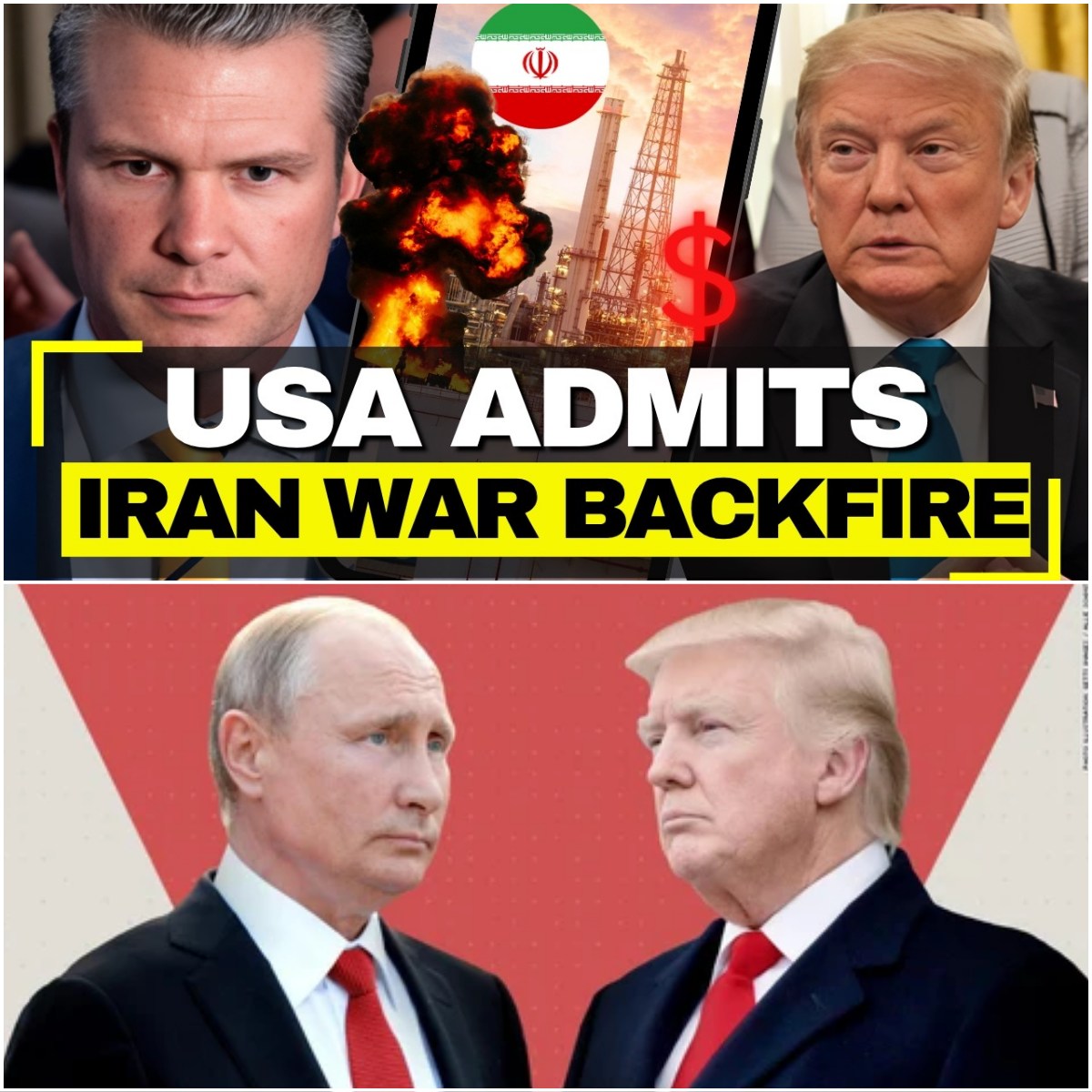
🔥 BREAKING: SECRET U.S. DIPLOMATIC REPORTS EXPOSE IRAN WAR FALLOUT — GLOBAL ALLIES RATTLED AS NEW DETAILS EMERGE 🌍…roro
The newly surfaced diplomatic cables from the U.S. State Department read less like routine field reports and more like dispatches from a system under strain. Across regions as varied as the Persian Gulf and Southeast Asia, American diplomats describe a perceptible erosion of U.S. credibility, one that appears tied not only to military developments but to a broader shift in how power is perceived and exercised.
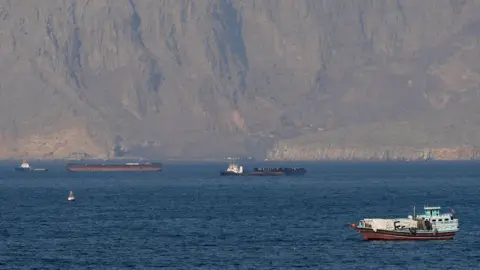
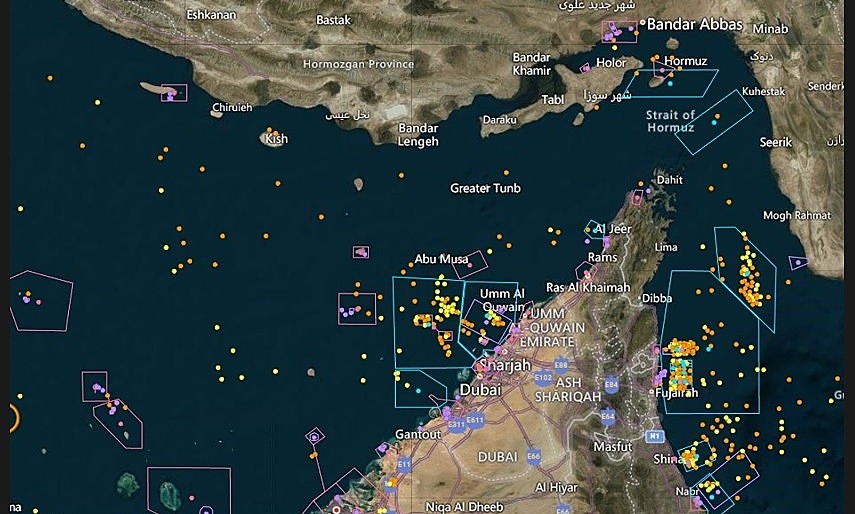
The conflict with Iran, initiated in late February, was framed in Washington as a decisive assertion of dominance. Yet its immediate consequences have proven difficult to contain. Iran’s swift retaliation — most notably the closure of the Strait of Hormuz — disrupted roughly a fifth of global oil flows, sending shockwaves through energy markets already under pressure.
Oil prices surged past $100 per barrel within days. In Europe, natural gas prices climbed sharply, compounding vulnerabilities exposed by a harsh winter that had already depleted reserves. By mid-March, benchmark prices had nearly doubled, reviving fears of stagflation and raising the likelihood of recession in key economies such as Germany and Italy.
For Russia, however, the same volatility has produced a windfall. As a major energy exporter, Moscow stands to gain tens of billions of dollars in additional revenue this year alone — funds that analysts say could directly support its ongoing war effort in Ukraine. In this sense, the conflict has created a paradox: a campaign intended to weaken adversaries may be strengthening them financially.
The cables suggest that the geopolitical costs extend beyond markets. In Bahrain, a long-standing host of American naval power, officials are reportedly questioning the reliability of U.S. security guarantees. In Azerbaijan, previously improving relations have stalled. And in Indonesia, the world’s largest Muslim-majority nation, public sentiment appears to be shifting in ways that complicate Washington’s diplomatic posture.
These developments point to a deeper challenge: the growing difficulty of shaping global narratives in an era of fragmented media ecosystems. American diplomats describe an information environment in which pro-Iranian messaging has gained traction, often outpacing U.S. efforts to frame the conflict on its own terms.
At the same time, Europe is drawing its own conclusions. The continent’s dependence on imported fossil fuels — long recognized as a strategic vulnerability — has taken on renewed urgency. Even before the conflict, renewable energy had begun to outpace fossil fuels in Europe’s electricity mix. Now, policymakers appear determined to accelerate that transition.
Recent agreements among European nations to expand offshore wind capacity in the North Sea underscore this shift. The goal is not merely environmental but strategic: to reduce exposure to volatile global energy markets and the geopolitical risks that accompany them. As one European official put it, energy policy is no longer just about climate — it is about autonomy.
This recalibration has implications for transatlantic relations. The United States has, in recent years, become a major supplier of liquefied natural gas to Europe. But as European countries invest more heavily in domestic renewable capacity, that dependency may diminish, altering a key dimension of American influence.
Meanwhile, the global nature of energy markets ensures that no country remains insulated from disruption. Even as the United States expands its own oil and gas production, domestic prices continue to reflect international dynamics. A supply shock in the Gulf reverberates as readily in Texas as it does in Berlin.
What emerges from the cables and the broader economic data is a picture of unintended consequences. Military action, undertaken to reinforce strategic position, has instead exposed structural vulnerabilities — in energy systems, in alliances, and in the mechanisms of global perception.
None of this suggests that the outcomes are fixed. Geopolitics rarely follows a linear path. But it does highlight a recurring tension in American foreign policy: the gap between immediate objectives and longer-term systemic effects.
If the goal was to project strength, the results are, at best, ambiguous. Allies are recalibrating, adversaries are adapting, and global audiences are reassessing. In that sense, the conflict may come to be understood not only as a discrete event but as part of a larger realignment — one in which power is measured less by force alone than by resilience, credibility, and the ability to anticipate the consequences of one’s own actions.